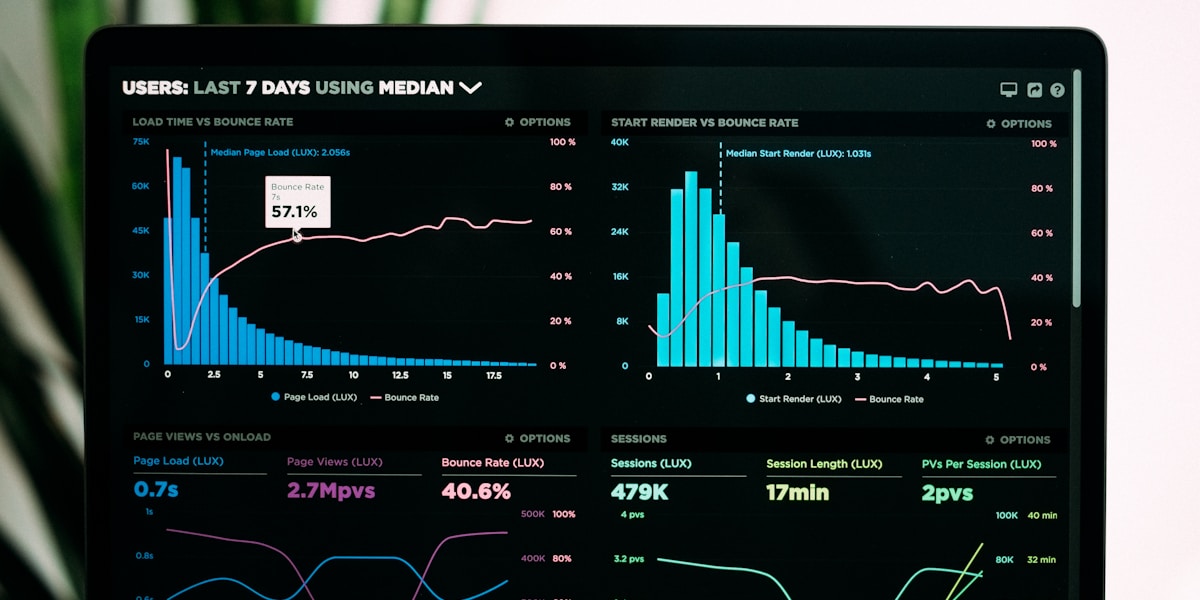
In today's fast-paced digital landscape, businesses are inundated with vast a mounts of data from countless sources—customer interactions, sales transaction s, social media engagement, and operational metrics. Yet, raw data alone holds little value. The true power lies in transforming this information into action able insights that drive strategic decision-making. Data analytics has emerged as the cornerstone of modern business intelligence, enabling organizations to move beyond gut feelings and intuition toward evidence-based strategies that d eliver measurable results.
Understanding the Data Analytics Landscape
Data analytics encompasses a broad spectrum of techniques and technologi es designed to examine, cleanse, transform, and model data. From descriptive a nalytics that explains what happened, to predictive analytics that forecasts f uture trends, and prescriptive analytics that recommends specific actions—each layer adds depth to business understanding. Companies like Gosotek help organi zations navigate this complex ecosystem by implementing tailored analytics sol utions that align with specific industry needs and business objectives. Whethe r you're a startup seeking growth opportunities or an established enterprise o ptimizing operations, the right analytics framework can be transformative.
Driving Strategic Decision-Making
One of the most significant impac ts of data analytics is its ability to inform strategic decisions at every org anizational level. Executives can leverage real-time dashboards to monitor key performance indicators, identify emerging market trends, and allocate resource s more effectively. For instance, retail businesses use predictive analytics t o optimize inventory management, reducing carrying costs while ensuring produc t availability. Similarly, financial institutions employ sophisticated algorit hms to assess risk profiles and detect fraudulent activities before they escal ate. These data-driven approaches minimize uncertainty and provide a solid fou ndation for high-stakes decisions that shape company futures.
Enhancing Customer Understanding
Modern consumers generate data at every touchpoi nt, from website visits and mobile app usage to purchase histories and support interactions. Analytics transforms this behavioral data into comprehensive cus tomer profiles that reveal preferences, pain points, and purchasing patterns. Businesses can segment audiences with precision, personalize marketing campaig ns, and anticipate customer needs before they're explicitly expressed. This le vel of insight enables companies to build stronger relationships, improve cust omer retention rates, and identify cross-selling opportunities that might othe rwise remain hidden. In an era where customer experience is a primary competit ive differentiator, analytics provides the clarity needed to exceed expectatio ns consistently.
Optimizing Operational Efficiency
Beyond custom er-facing applications, data analytics plays a crucial role in streamlining in ternal operations. Manufacturing companies utilize sensor data and machine lea rning algorithms to predict equipment failures before they occur, minimizing c ostly downtime. Supply chain managers analyze logistics data to identify bottl enecks, optimize routing, and reduce transportation costs. Human resources dep artments leverage workforce analytics to improve hiring processes, enhance emp loyee engagement, and reduce turnover rates. These operational improvements co mpound over time, creating leaner, more agile organizations capable of respond ing swiftly to market changes.
Overcoming Implementation Challenges
Despite its transformative potential, implementing effective data analytic s initiatives presents several challenges. Organizations often struggle with d ata silos, where information remains trapped in disparate systems that don't c ommunicate effectively. Data quality issues, including incomplete records and inconsistent formatting, can compromise analytical accuracy. Additionally, the shortage of skilled data professionals makes it difficult for many companies t o build capable in-house teams. Partnering with experienced IT service provide rs can help overcome these obstacles by establishing robust data governance fr ameworks, implementing integration solutions, and providing access to speciali zed expertise without the overhead of full-time hires.
The Future of An alytics in Business
As technology continues evolving, the role of data analytics in business decisions will only expand. Artificial intelligence and machine learning are democratizing advanced analytics, making sophisticated to ols accessible to organizations of all sizes. Real-time analytics capabilities are enabling instant decision-making in dynamic environments. Edge computing i s bringing analytical power closer to data sources, reducing latency and impro ving responsiveness. Companies that embrace these innovations today will estab lish competitive advantages that are difficult to replicate tomorrow.
At Gosotek, we believe that every organization has untapped potential hidden with in their data. Our mission is to unlock that potential through tailored analyt ics solutions that address your unique challenges and opportunities. Whether y ou're taking your first steps toward data-driven decision-making or seeking to enhance existing capabilities, the journey toward analytical maturity promises significant rewards. In an increasingly complex business environment, the ques tion is no longer whether you can afford to invest in data analytics—it's whet her you can afford not to.